
Plumbing systems ought to perform reliably, integrate effortlessly, and satisfy regional code requirements. National MEP Engineers delivers plumbing engineering design solutions for domestic water, storm drainage, sanitary, grease waste, and hot-water recirculation systems. Guided by licensed PEs in the United States, we create coordinated, code-compliant plumbing designs that uphold architectural intent, meet AHJ requirements, and guarantee enduring operational performance.
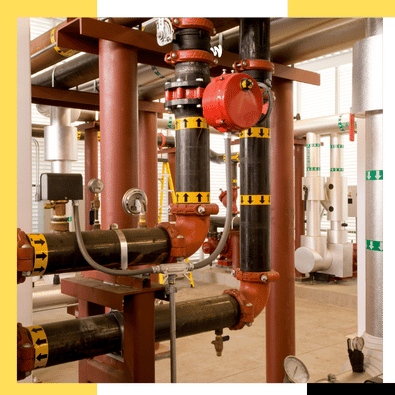
At National MEP Engineers, effective plumbing design starts with understanding pressure zones, fixture loads, routing constraints, and future building requirements. Our plumbing experts evaluate occupancy, elevation changes, equipment positioning, and expansion requirements to develop coordinated plumbing systems. These systems ensure lower pipe runs, maintain pressure balance, avoid structural clashes, optimize water heating and recirculation, and confirm code-compliant long-term building performance.
Plumbing coordination depends on multiple constraints:
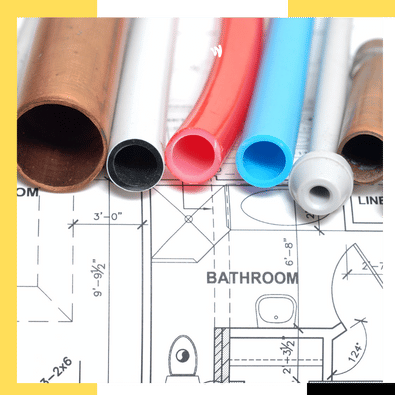

Our experts validate every single plumbing system’s performance before construction through pressure loss calculations, hydraulic analysis, water heater sizing, and drainage code authentication. Leveraging Revit and AutoCAD, we coordinate pipe routing with mechanical, structural, and architectural systems to corroborate code-compliant, constructable plumbing designs that function as hoped and curtail field modifications during construction.
Our plumbing design team supports a wide range of building types with solutions tailored to their operational needs. The systems we design regularly include:


Our future-proof plumbing engineering approach blends code expertise, performance analysis, BIM coordination, and constructability planning to bolster efficient permitting, installation, and lasting building operation.
Core capabilities:
Many plumbing challenges originate at the utility connection. During the earliest design phases, we verify water pressure, service line capacity, sewer infrastructure, and fixture-unit demands, specifically for renovations, additions, restaurants, and multifamily projects. By coordinating with local utilities and discovering required upgrades or pressure-boosting systems early, we minimize redesign risks and maintain project timelines.

Plumbing decisions influence the adjacencies among shafts, equipment rooms, and the floor plan. Starting during schematic design prevents later rework and keeps the architectural layout flexible.
We coordinate plumbing in BIM to align pipe routing with structural beams, mechanical ductwork, and ceiling constraints. This includes resolving vertical clearance conflicts, planning around beam penetrations, and ensuring waste line slopes meet code within available ceiling depth. Architects receive conflict-free drawings before CDs are finalized.
We evaluate fixture demand, building usage patterns, pipe lengths, and recovery requirements to size heaters and design recirculation loops that maintain comfort while minimizing energy use.
We develop coordinated vent riser strategies that comply with code, minimize roof penetrations, and avoid conflicts with mechanical and electrical shafts.
We support grease-waste systems for food-service projects and can design other specialty plumbing networks based on the project scope and jurisdictional requirements.
Yes. We assist with AHJ comments, contractor RFIs, and clarifications to keep the project moving without delay.
Until now, National MEP Engineers has worked on successful electrical engineering design projects in North Carolina, South Carolina, New Jersey, Maryland, Pennsylvania, Tennessee, Washington, California, Oregon, Texas, Florida, Alabama, Mississippi, Michigan, Ohio, and Virginia.
Copyright © 2026 natlmep.com. | All rights reserved
Our website uses third-party cookies to enhance user experience and analyze site performance. By continuing to use this site, you consent to our use of cookies as described in our Privacy Policy .
Unlock Our Technical Capabilities

|
Thank you for Signing Up |

|
Thank you for Signing Up |

