
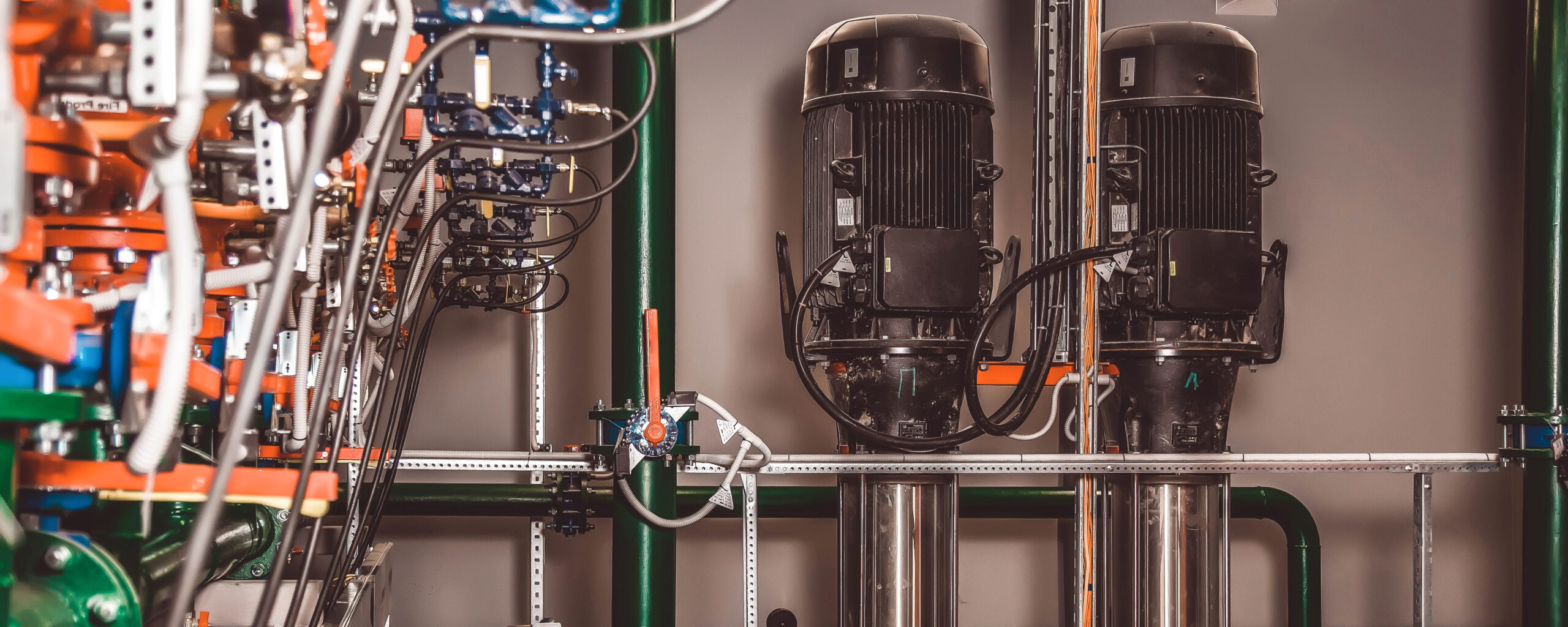
Water heaters have become an integral part of our daily lives, especially during winter. Undoubtedly, they are a key part of the domestic water system. They are widely used in most contemporary residences. They provide hot water for various household purposes.
By using energy sources, water heaters heat water. In this blog post, we will tap into the varied types of water heaters, along with their essential components and how they operate.
Distinct Types of Water Heaters
Considering size, shape, usage, and function, water heaters come in many types. According to your requirements, it is key to select the ideal water heater. Here, we have highlighted some common types and their specialties.
The first type is a storage tank water heater. These are found in most households. They come with an insulated tank that collects and heats a particular amount of water to satisfy each household’s requirements.
The next type is the instantaneous water heater. It functions as a stand-alone system, avoiding the need for a storage tank. The best thing about this type of water heater is that it heats water only when needed. Remember that these are much more energy-efficient compared to storage tank heaters.
Next come the solar water heaters. The system within this type of heater involves storage tanks, solar collectors, and a backup system for overcast days. So, solar panels gather and convert sunlight into heat, which is used to heat the water. These are the most eco-friendly options on the market.
The last common type is heat pump heaters. The specialty of this type is that it heats water while also conditioning the air and dehumidifying the surrounding area. However, these heaters are more expensive than conventional water heaters, but they make up for it by being more energy-efficient.
Vital Components of a Water Heater
From a strict technical perspective, there are seven key elements that water heaters are made of.
Tanks are the most critical component in a water heater. Generally, they are made of steel with a glass lining to avoid corrosion. They collect and store the water while ensuring it remains hot until needed. Polyurethane foam is an insulating material utilized to cover the external part of the tank. Tanks come in different sizes with varying water storage capacities. However, tankless heaters don’t have such a unit.
Inlet pipe, dip tube, and outlet pipe are the next most important components. The inlet generally sits above the tank and is utilized to transfer cold water into the tank. The dip tube is responsible for ensuring the incoming water is going toward the bottom part of the tank. The purpose is to keep the hot water at the top. The outlet pipe facilitates the hot water getting out of the heater.
An anode rod is another crucial element in a water tank. It is suspended within the tank and assists in eliminating corrosion. This is achieved by attracting minerals that would otherwise cause the tank to rust. An aluminum rod is ideal for hard water, while the magnesium anode rod is appropriate for soft water.
The burner or the heating element is also a critical component. In electric heaters, heating elements heat the water. In gas heaters, a burner at the bottom of the tank heats the water. The thermostat also plays a key role. It manages the temperature by regulating the heating elements. A thermostat allows a water heater to set individual temperature preferences.
The next essential component is identified as a temperature and pressure relief valve. It is actually a safety device that prevents excessive pressure or temperature buildup. This helps avoid potential tank damage. The drain valve is the last key component. Located at the bottom of most heaters, it allows users to periodically drain and remove sediment buildup for lasting efficiency.
Tactical Water Heater Placement and Plumbing Layouts
How the water heater performs relies considerably on its placement and plumbing layout. If a heater is located too far from high-demand fixtures, there is a chance of enhanced heat loss. It also forces the system to run for an extended period. Here, specialized MEP engineers can make a significant contribution by designing optimal placement zones that reduce pipe runs, minimize standby losses, and ensure steady hot water delivery.
Moreover, efficient plumbing layouts also ensure better heater functioning. You need to take into account the importance of meticulous routing of hot and cold lines, appropriate insulation in long runs, and well-thought-out fixture grouping. Clubbed together, these factors make sure that unwanted energy consumption is kept to a minimum level. National MEP Engineers can be of great assistance through the delivery of thorough plumbing design solutions that align heater capacity with fixture demand. Ultimately, they boost both comfort and energy performance.
Comprehensive Water Heater Load Calculations Across Building Types
When choosing the right water heater, accurate load calculation is also essential. There is a fundamental difference between residential buildings and commercial buildings in this context. The former focuses on daily consumption trends, and the latter on peak-demand intervals. Furthermore, industrial facilities include complexity with process-centric loads and high-capacity requirements.
National MEP Engineers makes a meaningful impact by performing in-depth, precise water-heating load calculations that account for consumption cycles, climate, tenant density, and equipment type. These calculations help to find out the proper heater capacity, tank size, recovery rate, and distribution design for steady, reliable system performance.
How They Actually Work
Now that we have explored the diverse types of water heaters and their critical components, it is time to understand how they function.
First, let’s understand how a storage tank water heater functions. First, the cold water enters via the inlet. Then the thermostat activates the electrical heating components when the temperature declines. This system heats the water using electric coils. After it has reached the set temperature, the thermostat stops the heater. Tank insulation assists in limiting heat loss while the thermostat maintains a consistent temperature. In the case of large-scale buildings, a hot-water recirculation system keeps hot water moving through the lines. This guarantees quicker delivery to the fixtures.
On the other hand, a tankless water heater generates hot water only when it is required. This mitigates the requirement for a storage tank. When a user opens a hot-water tap, cold water goes into the unit, and a flow sensor instantly activates the heating system. Note that the water moves via electric coils, which heat it as it passes through.
The unit then transfers hot water directly to the fixture, delivering a nonstop supply as long as the flow is sustained. A tankless system averts standby heat loss and usually functions more efficiently than storage tank heaters because it heats water on demand. This makes tankless heaters an excellent choice for projects looking for compact, energy-conscious hot-water solutions.
Optimizing Placement and Demand Matching
Bear in mind that a well-positioned heating system can reduce heat loss while ensuring better response time and reduced running time. Niche MEP design and engineering expertise assures error-free evaluation of the building’s layout, fixture positions, and consumption zones to suggest placement that keeps the machine efficient and accessible.
System type and demand must always match. A tank heater is expected to supply hot water during peak load. Concerning tankless units, flow should be consistent at various pressure levels. Here, National MEP Engineers guarantees that system design, circulation strategies, and pipe sizing all sustain steady operation across industrial, commercial, and residential buildings.
Heat Transfer Behavior and Flow Dynamics for Smarter MEP Design
It is of great help for designers and installers when they have a detailed understanding of the heat transfer pattern within the heaters. Storage tanks are known to rely on natural convection. It enables the thermostat to modulate temperature efficiently. As for tankless units, quick heat exchange via high-efficiency coils facilitates an immediate temperature rise.
By expertly evaluating these dynamics, National MEP Engineers support clients in choosing the optimal heater technology and design layouts. This involves planning recirculation loops, designing synchronized distribution lines, and matching fixture diversity with heater capacity. As a result, systems deliver the desired comfort with no additional energy usage.
Wrapping Up
Unquestionably, water heaters are necessary in contemporary households to provide hot water for diverse domestic requirements. Every type of heater comes with exclusive benefits.
National MEP Engineers bring the needed expertise to the table to ensure water heaters run safely, efficiently, and in complete adherence to modern standards. Our team delivers error-free design, coordination, and system optimization to aid buildings in achieving reliable, lasting hot water performance.


