
Mechanical / HVAC Design

High-performance HVAC systems focused on load analysis, energy compliance, and coordinated layouts, ensuring comfort, reliability, and constructability

Mechanical Systems Designed for Real-World Building Performance

Mechanical systems shape the comfort, efficiency, and long-term usability of a building. Architectural firms rely on National MEP Engineers to deliver HVAC design that is both technically sound and aligned with design intent. US-based Professional Engineers evaluate load requirements, ventilation needs, energy codes, and system feasibility before a single line is drawn. The result is mechanical documentation that supports permitting, coordination, and construction without surprises.

Engineering Mechanical Systems to Support Your Design Vision

Mechanical design is not simply about sizing equipment; it is about integrating systems into the building’s architectural vision and spatial constraints. Our engineers work closely with architects to ensure HVAC planning aligns with ceiling heights, structural framing, occupancy needs, acoustics, and space layout. We bring experience across commercial, residential, hospitality, medical, retail, and industrial facilities, allowing us to anticipate challenges and offer solutions before they affect the schedule.
Our process is grounded in code compliance (IMC, IECC, ASHRAE) and supported by internal QC checks that reduce redesign and prevent conflicts in later stages. We produce mechanical systems that function well, coordinate cleanly, and enhance the architectural outcome.
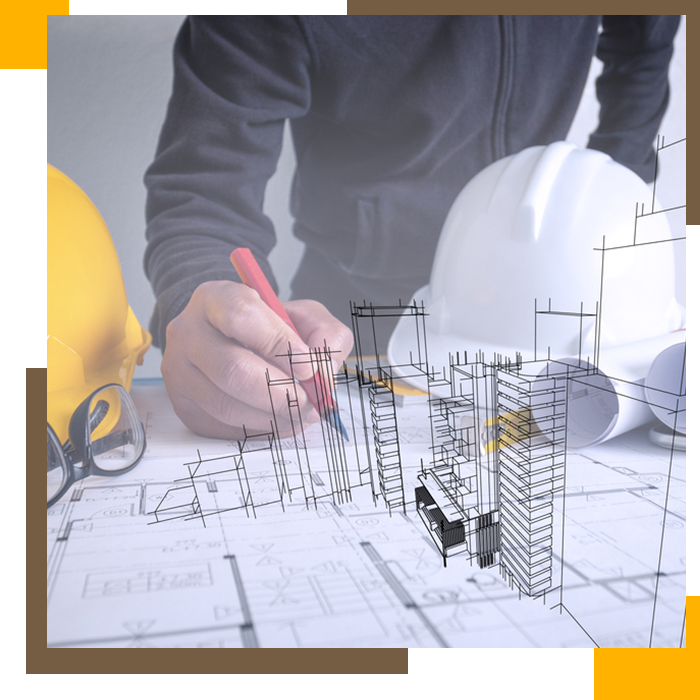
From Conceptualization to Constructible Mechanical Design

Our mechanical engineering workflow supports the architectural design process from concept through construction. In early phases, we define system approaches, identifying mechanical rooms, outdoor equipment zones, duct risers, exhaust paths, and ventilation requirements. These decisions eliminate guesswork in DD and CD, where every diffuser, route, and equipment connection must meet performance, maintainability, and compliance standards. By the time we reach final documents, your HVAC design is fully coordinated with structure, interiors, and electrical/plumbing disciplines, ensuring the building is ready for permitting and construction with minimal revisions.

Tools We Use to Strengthen Coordination and Accuracy

Our production team uses advanced modeling, calculation, and coordination tools to deliver precise, constructible mechanical systems. This digital workflow allows us to evaluate load, airflow, duct sizing, zoning, and equipment performance long before potential conflicts appear on site.

We design mechanical systems using:
  • Common Sense Engineering
  • Autodesk Revit for coordinated BIM.
  • AutoCAD for 2D documentation.
  • Carrier HAP and Trane Trace for load calculations.
  • Psychrometric analysis tools for air quality and comfort.
  • Energy modeling platforms for IECC/ASHRAE compliance.

This combination of modeling and engineering judgment creates designs that perform as expected and minimize the risk of field modifications.

Mechanical Solutions Tailored to Building Use and Project Constraints

Every building type presents unique HVAC challenges: space limitations, acoustic requirements, occupancy patterns, ventilation demands, and maintenance access constraints. Our team evaluates these factors upfront and proposes system options that meet the building’s specific needs while staying aligned with architectural priorities.
Our mechanical design scope includes (not limited to):
We design these solutions with a focus on long-term performance, energy efficiency, and ease of maintenance.

Why Architectural Teams Depend on Our Mechanical Engineering Expertise

Architectural firms choose National MEP Engineers because our mechanical systems are engineered for clarity, coordination, and real-world feasibility. We combine PE oversight, a disciplined internal review process, and strong communication to deliver mechanical designs that reduce rework, accelerate permitting, and enhance multi-disciplinary coordination.
By partnering with us, architects gain:
We design these solutions with a focus on long-term performance, energy efficiency, and ease of maintenance.

Ensuring Compliance, Comfort, and Construction Feasibility

Mechanical systems must perform well on paper and in the field. Our team evaluates not only load and airflow, but also constructability, acoustics, maintenance access, and life-cycle considerations. We coordinate closely with structural, electrical, plumbing, and fire protection to ensure your HVAC design supports a smooth construction process and long-term operational stability. Our approach balances performance, cost, complexity, and code, delivering systems that are efficient, maintainable, and appropriate for the building’s purpose.

Get Your Free Consultation Today!


    FAQs

    Ideally, mechanical input should begin during schematic design, so that system strategies, shaft locations, mechanical rooms, and outdoor equipment zones are identified before the layout is finalized. Early involvement reduces redesign later in DD and CD, especially in projects with tight ceiling spaces or complex ventilation requirements.
    We resolve these constraints using BIM-based coordination, early routing studies, and system selection strategies that minimize duct size. In many cases, we propose alternatives such as high-static systems, rerouting concepts, or zoning adjustments to achieve both performance and architectural intent without compromising ceiling layouts.
    Yes. All mechanical drawings are reviewed and signed by US-based Professional Engineers and include code references, sizing calculations, design criteria, ventilation rates, equipment schedules, and energy code compliance documentation required by most jurisdictions for approval.
    We compare multiple system strategies, such as VRF, DX systems, WSHP, hydronic systems, or rooftop units, based on energy performance, cost, maintenance access, noise, space requirements, and compatibility with the building type. We provide clear narratives and technical summaries to help architects and owners make informed decisions early.
    We design mechanical systems with flexibility in mind. If changes occur, we adjust zoning, diffuser layouts, and routing to align with the updated plan. Our team provides quick revisions and communicates impacts immediately, keeping the architectural workflow uninterrupted.
    Yes. We frequently work on renovations, TI projects, and older buildings with minimal documentation. We review available field photos, site notes, contractor input, and existing conditions to develop a baseline understanding of the system and to identify design upgrades or replacements that integrate with legacy infrastructure.
    Yes, we support RFIs, submittal reviews, and design clarifications throughout the construction phase. For projects requiring deeper validation, we offer optional site visits to resolve conflicts, verify conditions, or adjust recommendations based on field realities.
    We begin by identifying space requirements, reviewing architectural and structural constraints, and proposing efficient layouts that consider maintenance access, acoustics, heat rejection, and code clearances. This early planning reduces redesign and ensures the mechanical system can be installed and serviced correctly.