
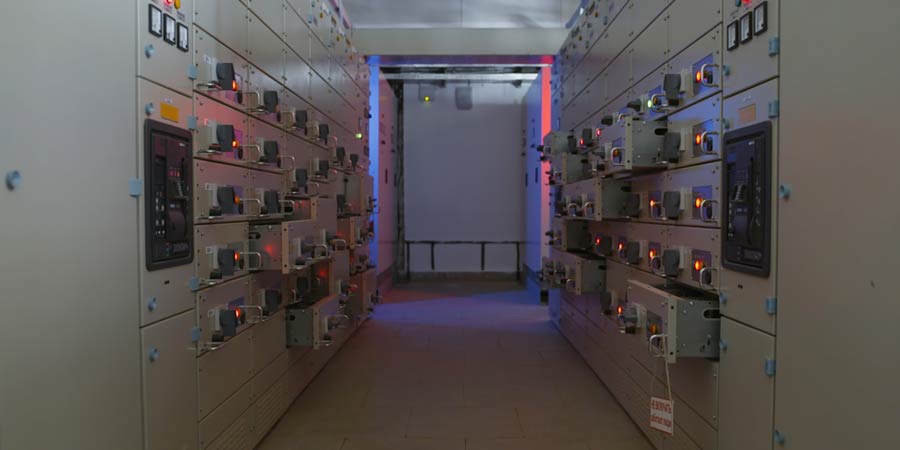
Cold storage units are key to preserving perishable commodities. However, their design calls for an intricate harmony between safety and operational speed. Concerning the current competitive food distribution and pharmaceutical markets, optimizing cold storage spaces for both protection and efficiency is of the highest priority. Why? Because inadequate design can result in spoilage, accidents, and energy inefficiencies. The impact of all these is inflated operational expenses.
So what differentiates a seamlessly functioning cold storage facility from one that faces expensive downtime and safety concerns? Remember that cold storage facilities need niche MEP engineering approaches that put both operational safety and efficiency first, thereby maintaining accurate temperature control across complex building systems.
In this context, architects and general contractors have the responsibility to create spaces that satisfy strict regulatory requirements and maximize productivity. Every single decision, from layout planning to refrigeration systems, can affect the pace at which products are processed and the overall safety of the workforce.
Comprehending the technical details of equipment and construction can assist professionals in making knowledgeable choices that benefit both the bottom line and operations. This blog delves into the essential strategies that help design cold storage units for optimal safety and speed.
Temperature Control and Refrigeration System Safety
One of the foremost requirements of cold storage facilities is refrigeration systems. They should be capable of maintaining accurate temperature control and integrating robust safety measures for refrigerant handling and emergency purposes.
This is precisely where professional MEP design comes into play. It guarantees compliance with ASHRAE Standard 15 for refrigeration system safety and incorporates hazard analysis norms that deal with ammonia exposure risks and equipment failures. Moreover, system redundancy avoids product loss when there is an equipment failure. Simultaneously, emergency shutdown processes safeguard personnel from any refrigerant leaks.
Positioning the refrigeration system calls for meticulous coordination with the building structure. The purpose of this is to ensure safe maintenance access while sustaining operational efficacy. When selecting equipment, both performance requirements and key safety features should be taken into account. Safety features involve leak detection systems, emergency ventilation, and worker protection equipment.
In this context, proficient design coordination makes sure that refrigeration loads blend ideally with electrical systems. However, there should be no compromise in terms of providing sufficient backup power. This power is crucial for maintaining a stable temperature.
Then, there are temperature monitoring systems. They deliver nonstop supervision of storage conditions while encouraging automated responses to avoid product spoilage when systems malfunction. Cutting-edge control systems come with the ability to control zone-specific temperatures. They help optimize energy usage and maintain product quality in all storage areas. Here, expert-level calibration ensures oversight precision and establishes alert protocols that allow quick responses to changes in temperature.
Emergency Safety Systems and Personal Protection
- Emergency egress systems are standard these days and are being extensively used. They involve doors that open from inside cold storage areas, even when locked from outside access points.
- Appropriate lighting systems use consistently burning bulbs or illuminated switches placed inside cold rooms. They ensure optimal visibility in times of emergencies.
- Emergency communication systems allow workers to ask for support from within cold storage areas when there is a medical emergency or equipment failure.
- Safety equipment storage contains firefighter axes and emergency tools strategically placed across different zones for quick access during any incidents.
Expert-level emergency preparedness tackles particular cold storage hazards, such as hypothermia risks, equipment entrapment scenarios, and ammonia exposure. Comprehensive response protocols are the key aspects that ensure proper handling of cold storage risks. Ventilation systems are equally important. They eliminate the potential for hazardous gas accumulation and provide adequate air circulation throughout the facility.
It is also worth mentioning that specialized clothing, respiratory protection, and insulated footwear are the primary requirements for personal protective equipment. They should be designed for extreme temperature settings. Here, advanced design solutions enable emergency systems to function autonomously from the main building power while offering enough illumination for safe evacuation.
Workflow Optimization and Material Handling Systems
It is crucial to understand that specialized MEP systems are essential for efficient cold storage operations. These systems should uphold fast product movement and temperature integrity across all material handling processes.
Specialized design comes into play by minimizing thermal losses using tactical door placement, airlock systems, and automatic closure mechanisms. They stop warm air from infiltrating at the time of loading operations. Plus, heating systems hinder floor freezing and sustain safe working surfaces for material handling equipment and personnel.
Loading dock design is another critical component of cold storage units. This design must implement heated approach areas and insulated door systems that foster speedy product transfer without sacrificing storage temperatures. Precise coordination helps ensure sufficient electrical capacity for material handling equipment. It also provides adequate lighting levels for secure operation throughout the working hours.
Remember that material flow patterns impact the layout of MEP systems. The tailored system must involve equipment placement that supports effective movement and curtails energy usage through improved air circulation.
Precision design guarantees that there are enough clearances for maintenance access. It also maintains operational flexibility for changing storage requirements. Finally, integration with building automation systems should not be forgotten. This is because it enables coordinated operation between material handling and environmental control systems.
Energy Efficiency and System Integration
- Variable speed compression systems adapt to refrigeration capacity, considering actual cooling loads. Consequently, energy usage decreases during low-demand periods.
- Heat recovery systems gather the waste heat from refrigeration equipment for use in process heating applications or office areas.
- Innovative insulation systems work toward minimizing thermal bridging and uphold structural integrity through niche panel connections and vapor barrier details.
- Smart control systems aid in optimizing equipment operation. This is achieved through live monitoring and predictive maintenance abilities that mitigate energy waste.
It needs to be acknowledged that professional energy management approaches should be able to balance safety and efficiency. How? Through integrated system design. BIM comes into the picture through its capability to analyze thermal loads and find ways to standardize energy consumption. Furthermore, advanced monitoring systems in place ought to track usage and instantly detect inefficiencies.
In this context, electrical designs utilize high-efficiency motors and variable frequency drives to limit energy use and keep the temperature stable. Load analysis would further ensure sufficient capacity and apply power factor correction to reduce utility expenses. Keep in mind that the systems also incorporate renewable energy sources to reduce consumption even more. However, there is no compromise on operational reliability and consistency.
Code Conformance and Regulatory Standards
Cold storage units should always comply with specific codes that deal with both refrigeration system requirements and worker safety. Expert engineers play an essential role in guaranteeing conformance to the International Building Code and ASHRAE standards. Moreover, environmental regulations govern the selection and handling of refrigerants and enforce appropriate leak detection and reporting procedures.
Fire protection systems also need tailored designs, integrating automatic suppression and emergency response plans. Here, coordinated initiatives ensure adherence to NFPA norms while facilitating smooth collaboration with fire safety, refrigeration, and building automation systems. It is also valuable to note that through detailed testing and documentation, quality assurance criteria authenticate system efficacy and operational safety.
Construction Coordination and Project Management
Evidently, specialized project management makes it certain that MEP installations match smoothly with construction while maintaining stringent safety protocols. Tailored procedures help guide the positioning of refrigeration equipment and piping. The purpose? To safeguard workers on-site.
Additionally, quality control eliminates errors that could impact both performance and safety. Construction sequencing further confirms optimal system integration and removes conflicts between trades. Strategic oversight also guarantees that teams follow cold storage requirements and sustain appropriate safety. At last, thorough testing and commissioning play their critical roles to make sure systems function as designed ahead of the facility becoming completely operational.
Conclusion
Designing cold storage units in the U.S. that ensure both safety and speed is a complex yet essential task for modern-day supply chains. A good layout, efficient refrigeration, smooth workflows, and durable materials help reduce operational costs and improve worker safety. By taking advantage of proven strategies and incorporating advanced technologies, experts can guarantee that their designs fulfill the requirements of contemporary cold storage operations.
Specializing in offering custom-made MEP design solutions, National MEP Engineers supports GCs and architects in achieving these goals. Their competency in refrigeration systems, energy-saving layouts, and emergency readiness solutions aids clients in building more secure and efficient cold storage units.
Collaborating with National MEP Engineers means gaining access to robust solutions that encourage speed, boost safety, and guarantee lasting success in the cold storage sector.


