
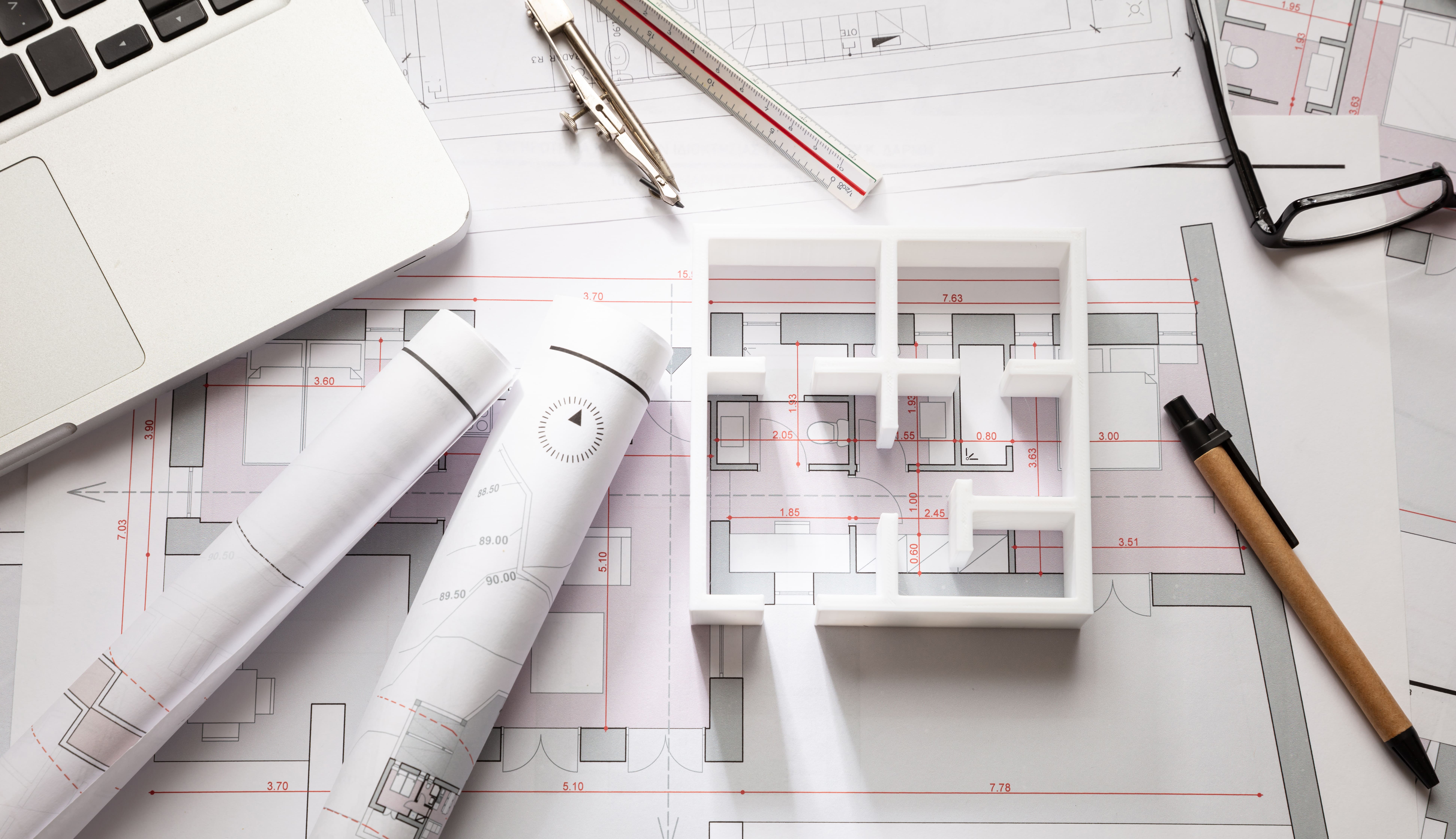
Do you always consider the difficulty maintenance technicians might face when they cannot access buildings’ mechanical systems? For architects and general contractors working on a project, this should be a matter of concern, and it should receive significant attention.
If an MEP system is placed behind inaccessible walls or in an occupied space too cramped for easy, safe repairs, both downtime and costs multiply. The truth that the majority of architects find out too late is that maintenance accessibility is as important as the system design itself.
So, it is essential to design for maintenance from the very beginning, enabling the building to function more smoothly while substantially minimizing operational expenditures.
This blog will delve into how meticulous architectural details can turn MEP systems into assets instead of liabilities for owners and facility managers.
The Importance of Designing with Maintenance in Mind
Prioritizing MEP maintenance accessibility at the time of designing a building mandates strong collaboration between architects, engineers, and contractors from day one.
Close attention needs to be paid to the tactical positioning of equipment, sufficient clearances, and accessible service routes. These would ensure the elimination of expensive surprises during replacements or repairs. While building owners appreciate minimal maintenance expenses and fewer emergency repairs, contractors benefit from easier installation procedures and fewer site conflicts.
It is essential to grasp that buildings need scheduled servicing for electrical, HVAC, plumbing, and fire systems. However, when access is poor, service times naturally increase, and replacement activities cost more. So, architects must always deal with maintenance access like a code mandate. This mindset would guide decisions on chase locations, corridor widths, and mechanical rooms. Besides, it simplifies future upgrade initiatives and equipment swaps.
Note that maintenance-aware design inherently supports safety. Having clear service routes ensures minimal risk exposure during repairs and that emergency responses are executed more rapidly. The consequence of this is lower insurance costs and fewer business interruptions.
The Real Impact of Maintenance-First Design on Building Operations
A building’s long-run operating expenses rely extensively on how well its MEP systems can be accessed and maintained. So, if maintenance access is the last thing on one’s mind or even completely neglected, there will be severe consequences. Straightforward tasks would necessitate demolition, technicians would be working in unsafe positions, and cramped mechanical zones would halt preventive maintenance that safeguards equipment life.
Unquestionably, these challenges make scheduled service disruptive and expensive. However, one can leave these issues behind by adopting a maintenance-first design approach. This method aims to address such challenges by implementing clearances, service routes, and access panels from the outset. When architects focus on planning for inspection and component replacement from the first day, MEP systems become safer, easier, and much less expensive to maintain.
Evidently, when equipment can be easily serviced at regular intervals, its lifespan increases by 30% to 40%. Moreover, there are very few repair requirements, prolonging replacement cycles. This preemptive approach helps stabilize facility budgets, diminish downtime, and guarantee that owners benefit from systems that run reliably long after construction completion.
Vital Architectural Details for Accessible MEP Systems
The creation of accessible MEP systems calls for heeding specific architectural aspects. First of all, equipment clearances have to be planned explicitly and displayed on construction drawings. This ensures installation teams have left sufficient working space for maintenance tasks.
Section 110.26 of the National Electrical Code mandates a minimum electrical panel clearance of 36 inches for panels with 0 to 150 volts and 42 inches for panels with 151 to 600 volts. Architects would be making a big mistake if they thought these were mere recommendations; actually, they are not. They are fundamental safety and accessibility criteria that guide contractors in routing systems.
On the other hand, mechanical rooms need tactical layout planning from the start. Equipment ought to be organized in a logical sequence with 36 inches of clear aisle and floor space around piping and ductwork. Technicians should be able to remove equipment with relatively high failure rates without any extensive demolition.
Access doors in inaccessible areas must measure at least 24 inches by 24 inches and be located in close proximity to the equipment under maintenance. Technicians do not want to work in an awkward position while servicing. To ensure this, services need to remain below 7 feet above finished floors where passage is essential.
So, important accessibility features should have:
- Equipment clearances are clearly emphasized in all construction drawings to avoid technician obstructions.
- Mechanical room’s aspect ratios must go beyond 3 to 1 to guarantee logical equipment placement and movement.
- Access doors and pull space for equipment with frequent replacement potential should be planned during design coordination.
MEP Coordination and BIM’s Role in Curtailing Maintenance Expenses
The roles of BIM and coordinated MEP design are indispensable in this context. They guarantee the removal of clashes that often turn out to be costly issues during maintenance. Favoring early coordination guarantees that routing conflicts between MEP components are identified before the first brick is laid.
When systems cross or overlap in troublesome ways, maintenance work becomes tough to execute. BIM clash detection comes to the rescue by spotting these issues in a virtual setting where there are no costs involved in fixing them.
Believe it or not, the economic impact of early coordination is drastic. Industry analysis reveals that rework takes up around 4-12% of overall project expenditures, with design mistakes and miscoordination as the main culprits. When coordination detects clashes at the time of design, field modifications completely vanish. The outcome of this is minimal material wastage, lower labor costs, and rare project delays.
During design creation, real-time coordination meetings guarantee that every stakeholder is on the same page regarding MEP routing choices. Architects then advise engineers about mechanical system positioning to avert obstructing accessibility pathways. Consequently, engineers suggest appropriate control locations that are always within technicians’ reach. Such efficient coordination mitigates post-construction conflicts, making maintenance accessibility easier than ever before.
Designing Mechanical Rooms and Equipment Spaces for Efficient Maintenance
The main function of a mechanical room is to serve as the heart of a building system. More importantly, its performance is highly reliant on equipment accessibility. As a result, adequate room sizing and clear service pathways ensure technicians maintain plumbing, HVAC, and electrical equipment with the utmost efficiency.
This necessitates architects to plan logical equipment layouts, guarantee standing-height access for components needing frequent servicing, and offer coil removal, tube-pulling space, and filter access for important units. Remember that removal panels, wide doors, and service platforms aid secure movement and future replacements. A well-designed mechanical room surely extends equipment life, lowers maintenance expenses, and facilitates expedited preventive and emergency repairs.
Linking Building Design with Long-Run Facility Operations and Cost Management
Prioritizing maintenance accessibility while designing can decrease building lifecycle expenditures considerably. When MEP systems are within easy reach, preventive maintenance becomes practical and straightforward. The outcome of this is rare operational disruptions and minimal expenses for emergency repairs.
Moreover, effective long-run management relies on clear equipment layout, error-free documentation, and accessible components. They support timely inspections, risk evaluations, and maintenance scheduling. As-built drawings and organized asset records are very important for facility managers, helping them plan upgrades ideally and enhance equipment life. If a building has been designed with easy maintenance as a vital preference, there are far fewer failures, repair costs are minimal, and system performance is more reliable. Undoubtedly, this approach transforms buildings into long-standing, cost-effective operational assets.
Conclusion
The above exploration confirms that designing with maintenance accessibility in mind not only strengthens building performance but also reduces long-term expenses. To make sure of this, architectural details should support clear service paths, sufficient mechanical room clearances, and coordinated MEP layouts. Only then can technicians maintain systems more efficiently, ensuring that equipment lasts longer.
National MEP Engineers should be your architectural firm’s best choice in the U.S., supporting this approach. Our expert team delivers cutting-edge MEP BIM modeling, coordination, and engineering services to ensure appropriate equipment placement and needed access zones. So, make National MEP Engineers your partner now to achieve maintenance-focused, high-performing building designs.


