
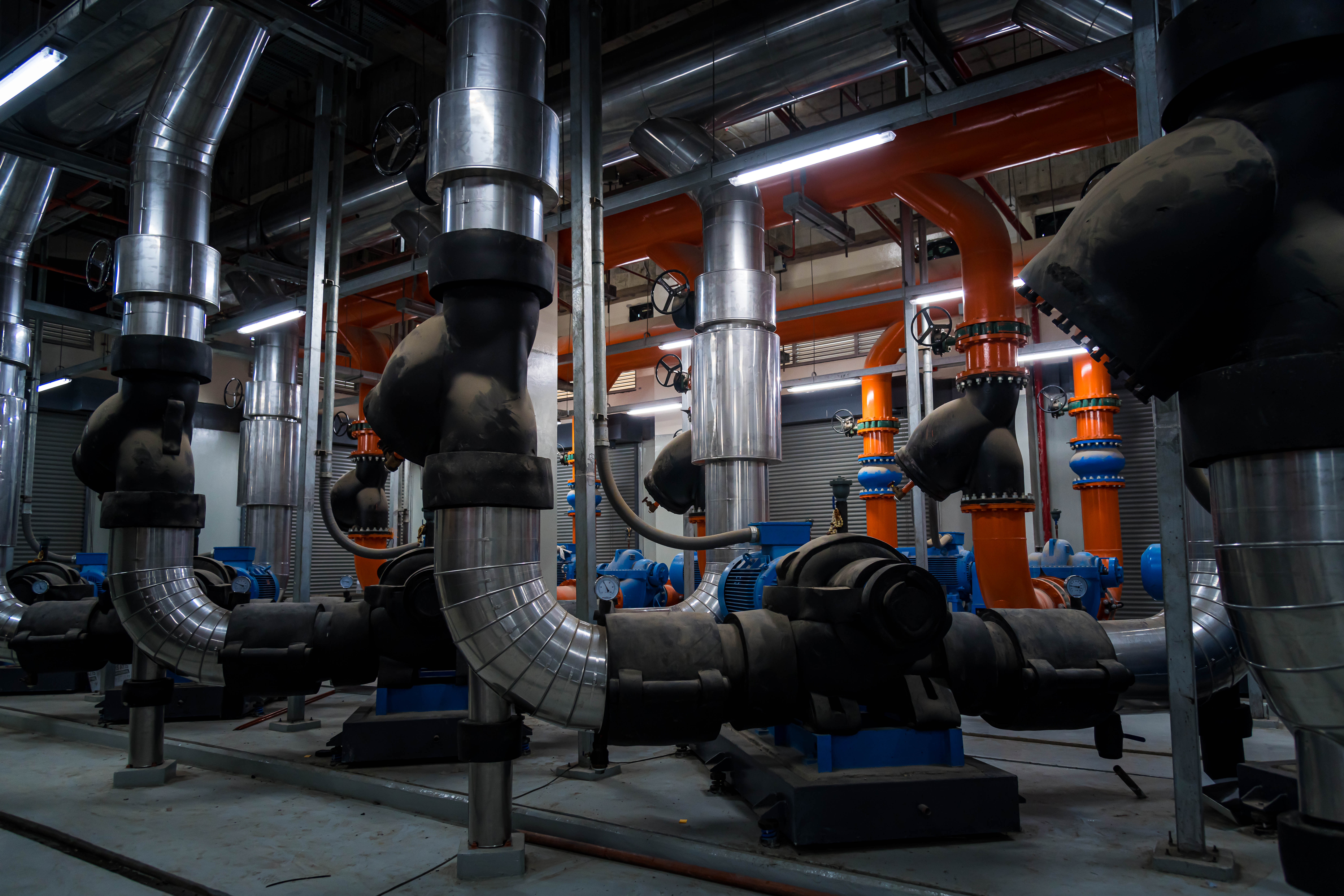
Imagine if the MEP systems you design today stay functional and adaptable years from now. Well, many architects neglect this key consideration during the initial design phase. The outcome is often expensive retrofits when buildings need upgrading.
When MEP systems are designed meticulously with reusability in mind, they demonstrate a strategic edge. These systems can lower long-term expenses, maintain sustainability, and offer flexibility with every technological advancement. If architects prioritize reusable MEP design from the very beginning, it future-proofs projects against obsolescence and operational inefficiency.
This approach perfectly matches contemporary building practices, focusing on adaptability, environmental responsibility, and cost control while ensuring top-notch value for clients.
Designing MEP Systems with Standardization and Modularity in Mind
So, what makes modular and standardized MEP design so special? It has the power to fundamentally change how systems work throughout a building’s life. As opposed to establishing custom, one-off configurations, an architect can create repeatable elements and layouts that streamline future modifications and equipment replacement. This technique reduces variation in components throughout a design. It also explicitly helps to decrease construction variability. The result of this is that there are open doors for simplified upgrades later.
It is essential to understand that the core idea is to break MEP systems into interchangeable, modular units that function individually yet integrate effortlessly with the whole. At the time of designing modular HVAC zones, plumbing branches, or electrical distribution circuits as optimized modules, an architect can make it notably easier for facility personnel to adapt systems when occupant needs change.
One must also consider how a standardized plumbing module can be relocated or an HVAC zone elevated without completely redesigning the system.
Standardization also makes procurement and maintenance easier. When all heating units maintain a standard specification, contractors store fewer SKUs, and facility staff master fewer operational processes. This effectiveness leads to cost savings during both construction and the decades of operation. These days, U.S. building codes increasingly recognize modular and prefabricated MEP approaches. For instance, the ICC Off-Site Construction Code specifically addresses componentized MEP systems.
The absolute authority surfaces when architects merge modularity with tactical spacing and routing choices. Thus, they should support designing mechanical rooms with sufficient clearance for easy access and replacement of equipment.
Routing plumbing lines and electrical conduit should be done along clearly specified pathways. This aids future trades in navigating without any significant structural changes. While these decisions may seem small, they compound substantially over a building’s lifecycle. This ensures that reusability is effortlessly achievable instead of being merely inspirational.
Planning for Flexibility and Adaptable Infrastructure
We often see architects finalize MEP layouts only after ultimate architectural and structural choices are made. This limits system adaptability severely. So, when you reverse this sequence, it inherently improves reusability.
Remember that flexibility starts with comprehending how buildings really work over time. It is common knowledge that occupant requirements change, technologies advance, and space utilization alters. Therefore, it is critical to design electrical systems to accommodate extra circuits without upgrading any panel.
Additionally, HVAC distribution should be planned with oversized main trunk lines and tactical branch points to enable future zone reconfiguration. There must also be a plumbing infrastructure that can assist effortlessly with fixture relocation or the integration of new appliances.
Innovative infrastructure comes with the ability to amplify these proficiencies considerably. Occupancy sensors need to be linked with HVAC controls. This allows systems to automatically adjust to evolving trends in space usage. On top of that, there is no need for any physical modification. Keep in mind that distribution networks must always remain flexible enough to facilitate reconfiguration while decreasing waste and disruption.
On the other hand, early-phase collaboration among architects and MEP engineers is a vital factor. It helps reveal conflicts before they turn into costly challenges. Here, BIM coordination permits testing spatial relationships, recognizing feasible clashes, and refining layouts when changes require no additional expenses. This proactive mechanism uncovers potential for adaptable designs, which otherwise stay hidden until construction or, worse, during future renovations.
The economic reality is also compelling. Buildings with adaptive infrastructure designs can accommodate future alterations with minimal expenditure and disturbance. Facility managers can initiate equipment upgrades, reconfigure zones, or respond to market movements. However, no extensive changes to architectural or structural designs are needed.
Taking Advantage of BIM for Reusable System Design
Modern architects approach MEP system reusability in a completely different way, thanks to BIM. Evidently, BIM coordination never treats MEP systems as individual elements. Instead, it incorporates them into a robust digital model where each aspect is spatially and functionally associated with the others.
The 3D visualization features of BIM are helpful in catching spatial conflicts before the first brick is laid. Your team can spot where electrical conduit might have interfered with ductwork or where plumbing branches compete with structural factors. Getting hold of these clashes during design incurs no additional cost. This initial-stage clash detection then thoroughly supports reusable design by removing the ad hoc routing workaround.
Instant collaboration between MEP, architects, structural experts, and engineers is a significant benefit of BIM. When everyone works within a standard coordinated model, design alterations instantly cascade throughout all disciplines. As a consequence, there is no miscommunication. Reusable systems emerge from this collaborative thinking, as every discipline proactively considers how its choices influence future adaptability.
BIM also fosters error-free documentation of MEP systems. Shop drawings derived from the BIM model closely match the actual system layout and component details. Future contractors and facility personnel can access this digital information to know precisely how systems operate and where modifications fit with no new conflicts.
Consequently, the collaborative data setting developed by BIM supports existing building operation and maintenance long after the end of construction. With changes in occupancy patterns or replacement requirements of equipment, the architectural team refers to the same model to plan modifications. This ongoing process makes sure that reusable design principles persist throughout a building’s entire lifespan.
Incorporating Optimized Components and Equipment Selection
Though equipment standardization may not seem exciting, it actually makes system reuse better and boosts operational efficacy. Utilization of the same electrical panels, HVAC units, fire protection elements, and plumbing fixtures makes upkeep tasks easier. It also guarantees that technicians are aware of the equipment and can source replacement parts quickly.
So, the first step is to identify components that repeat on each floor. The majority of the floors require identical HVAC zones, plumbing setups, and electrical layouts. The next step involves standardizing these, rather than changing them on individual floors. Besides, mechanical teams should specify similar cooling units. Electrical engineers need to use the same panel designs consistently. Lastly, plumbing teams should focus on repeating the exact pipe sizes and fixture types.
This standardization technique provides several reusability benefits:
- Facility personnel develop proficiency with particular equipment models to promote quicker and more confident maintenance and troubleshooting.
- Manufacturers continue to support standardized elements longer. This ensures that spare parts are available even decades after the complete construction of a building.
- Future retrofits become easier since replacement equipment fits prevailing infrastructure specifications.
- Supply chains stabilize with standard components. This reduces procurement complexity and expenditures.
- Installation processes remain identical across locations. Resultantly, the speed of both initial construction and future modifications increases.
Collaborating Early for Lasting Success
Architects must always prioritize adopting strategies that ensure MEP systems’ adaptability to change:
- Early-Stage MEP Engagement: Associate with contractors and engineers from the very beginning to guarantee that systems are efficient, reuse-ready, and code-compliant.
- Future-Ready Infrastructure: Add extra conduits and wiring for upcoming technological advancements to keep future demolition to a minimum.
- Error-Free Documentation: Utilize BIM and thorough as-built drawings to map each MEP route, helping future teams understand how to disconnect or reuse components accurately.
The most significant advantage of bringing all trades together is the prevention of layout clashes. It also assures that future access panels and shafts match ideally with installed equipment. Collaboratively, these steps assist architects in future-proofing a building’s systems and streamlining later renovations.
Conclusion
Thus, deliberate architectural decisions informed by real-world knowledge of how buildings function over time are the most crucial factors behind creating relevant and adaptable MEP systems. Flexibility, modularity, BIM coordination, standardization, and initial-stage MEP collaboration establish an integrated tactic for architects to implement across building types or sizes.
National MEP Engineers understands such a tactical imperative and collaborates with architects to incorporate reusable MEP design approaches. Our experts ensure this through holistic MEP engineering solutions, cutting-edge BIM coordination and modeling, and thorough MEP drafting.
Reach out to National MEP Engineers and collaborate today to ensure the creation of MEP systems that are easier to reuse.


