
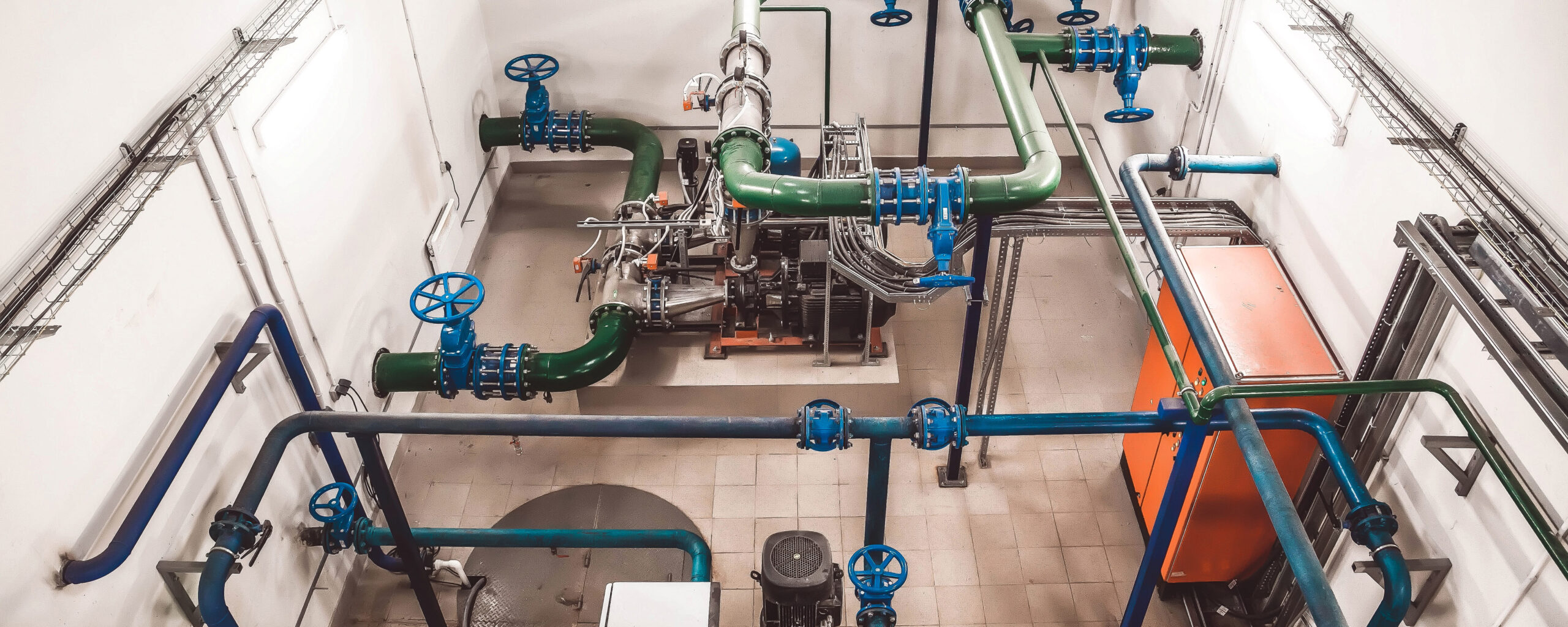
Imagine transposing a deserted warehouse or a century-old church into a lively contemporary space. This is precisely where adaptive reuse comes into the picture, making these transformations possible. It is essential to understand that in such cases, the MEP systems ought to be entirely reimagined.
However, adaptive reuse projects are not free from challenges. They come with complex challenges, demanding architects and general contractors to update the existing building’s MEP systems according to modern standards.
The Key Role of MEP Systems in Adaptive Reuse Projects
If we start thinking from an architectural perspective, reusing a building’s structure usually means saving on demolition costs, but shifting the focus to MEP design. Multiple studies confirm that adaptive reuse can shrink overall construction expenditure by up to 20%. Nevertheless, as the majority of the infrastructure remains, much of the budget is expended on MEP systems.
Engineers know that each system needs to be reassessed for capacity and code adherence. In fact, teams seldom upgrade or replace existing HVAC units and rewire for fresh loads. It is also their responsibility to redesign plumbing systems to accommodate the building’s new use. One source notes that most adaptive reuse projects require new MEP systems. Accordingly, early, cautious MEP planning ensures the retrofit performs consistently in its new use.
Evaluating Prevailing MEP Infrastructure for Viability
The groundwork of any adaptive reuse project commences with a detailed evaluation of what is already there. This is compulsory. Before finalizing the design approach, it is vital to know the age, condition, and capacity of the existing MEP systems.
This evaluation is not just a documentation task. It is a comprehensive roadmap that defines project feasibility and cost implications. The first task in this path is to examine the mechanical equipment—HVAC systems, chillers, and boilers—to determine whether they are functioning correctly or are beyond repair. Many buildings run on systems that are several decades old. This indicates that the systems are now inefficient and obsolete.
Electrical systems in standing structures often show identical challenges. Deteriorating distribution panels may be unable to meet the capacity of modern electrical loads. This is especially prevalent when converting an office space to residential use, generally calling for diverse power configurations. Plumbing infrastructure also needs meticulous assessment to guarantee that it can deal with new fixture loads and fulfill current code specifications.
Beyond these basics, it is also critical to examine the building’s structural ability to match new ductwork routing, plumbing riser locations, and electrical conduit runs. Therefore, one must thoroughly document existing conditions, use available drawings, and manually inspect the building.
All these are necessary to ensure that what is visible in the plan aligns with what actually exists. This is because many older buildings have been modified over time, and records do not always mirror current conditions.
Comprehending Code Compliance in Adaptive Reuse
Building codes are among the most vital considerations in adaptive reuse work. The main reason is that existing buildings do not usually conform to current standards. There are various types of codes—like the International Building Code (IBC), International Mechanical Code (IMC), National Electrical Code (NEC), and Uniform Plumbing Code (UPC)—that govern an adaptive reuse project. However, which codes apply to your project solely depends on the jurisdiction and project scope.
It is essential to avoid the mistake of thinking that the challenge lies in overly restrictive codes. Instead, the primary challenge is that contemporary codes deal with energy efficiency, occupant requirements, and safety. These specifications did not exist when the building was first constructed.
Some jurisdictions provide flexibility for old buildings, which enables code officials to apply refined standards that harmonize preservation with safety. However, this calls for clear documentation and justification.
On the other hand, energy efficiency codes also deserve close attention. Many U.S. states now require older buildings to undergo substantial renovations to improve energy performance. Consequently, the HVAC system should be upgraded, better insulation must be ensured, and lighting retrofits ought to be performed.
Fire safety protocols are also crucial in adaptive reuse. In such cases, sprinkler systems, fire-rated assemblies, and emergency egress routes may need to be added or improved to satisfy current standards.
One must always ensure early engagement with code officials during the design phase. It helps spot which upgrades are really mandatory and which are not, shaping the budget and design approach from the very start.
MEP System Routing and Space Constraints
Here’s where the intricacies of adaptive reuse become tangible for GCs and architects. In most cases, older buildings have physical limitations that new constructions do not have to face. Always remember that routing ductwork, conduit, or new plumbing in existing buildings mandates creative solutions aided by solid engineering.
Below are the main routing difficulties in adaptive reuse:
- Floor-to-floor heights may be inadequate to fit modern duct sizes and slopes without drastically lowering ceilings.
- Plumbing waste stacks need sufficient clearance and vertical routing, and call for thoughtful 3D consideration and innovative routing in constrained buildings.
- Electrical distribution should be capable of serving new zones, with few additional service points, transformers, or dispersed panels required for large-scale conversions.
- Structural changes must ensure optimal support for new MEP systems, specifically in older buildings with minimal modification options.
Utilizing 3D BIM coordination tools from the start can help visualize such clashes ahead of actual construction work. As a result, a project can stay away from expensive on-site modifications.
Energy Saving and Sustainable MEP Design
Designing for efficiency is an essential criterion in adaptive reuse projects. This is simply because the sustainability advantages of conserving an older structure disappear without up-to-date MEP systems. Upgrading to high-efficiency HVAC, low-flow plumbing fixtures, and LED lighting dramatically curtails energy and water consumption.
Smart controls and sensors are also critical factors, as they further boost performance. Energy modeling is an element that assists teams in opting for the most effective mechanical strategies. These unified enhancements ultimately result in reduced utility expenses, lowered carbon impact, and help projects fulfill contemporary energy codes.
Coordination, Collaboration, and Project Management
Seamless collaboration across engineers, contractors, architects, and building officials is necessary in the case of adaptive reuse projects. These types of projects demand even stronger collaboration among these professionals than new constructions. Many often wonder why. It is because professionals are concurrently preserving older elements while incorporating new systems into constrained spaces.
This coordination should begin during design and continue through construction, with specific intensity at those vital moments when older conditions do not align with what is documented.
To ensure the success of your adaptive reuse project, employ the following coordination strategies:
- BIM coordination meetings address clashes at an early stage through shared 3D models and tools, such as Navisworks.
- Transparent communication with building officials is essential to ensure that MEP routing honors real-life conditions and limitations.
- Meetings with code officials should occur at the earliest to clarify needed upgrades and avoid permitting surprises.
- In-depth site investigations to authenticate existing conditions and unravel hidden infrastructure affecting MEP routes.
- Contingency planning to account for incorrect drawings and unwanted conditions during construction.
Unquestionably, BIM is the central coordination tool. It facilitates all disciplines in working within a collaborative 3D setting where conflicts become instantly visible and addressable before becoming a site headache. This means that GCs and architects need to invest in ideal BIM coordination from the very beginning.
Summing Up
So, adaptive reuse projects ensure the preservation of older buildings while upgrading them to satisfy contemporary needs. However, the success of these projects depends on whether MEP considerations are dealt with systematically. First, a detailed assessment of existing conditions should be prioritized, followed by meticulous coordination and compliance verification throughout.
The intricacy of MEP coordination in adaptive reuse is exactly why collaborating with proficient MEP experts matters. In this domain, there is no better option than National MEP Engineers. Specializing in tackling these challenges for U.S.-based GCs and architects, we combine robust MEP engineering design with cutting-edge BIM coordination, error-free MEP drafting, and sustainability-centric solutions customized specifically for your project.
National MEP Engineers is committed to delivering dependable, code-ready MEP solutions for any scale of adaptive reuse projects.


